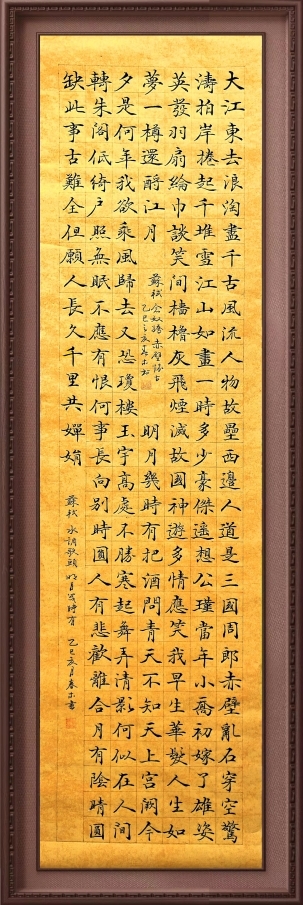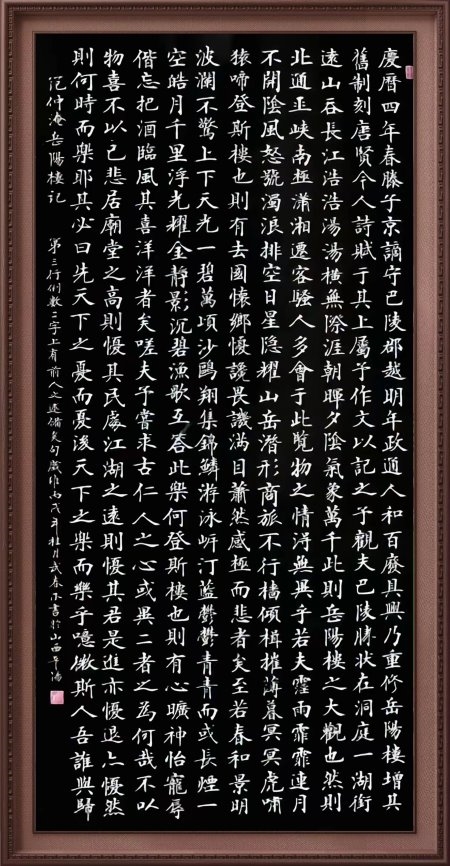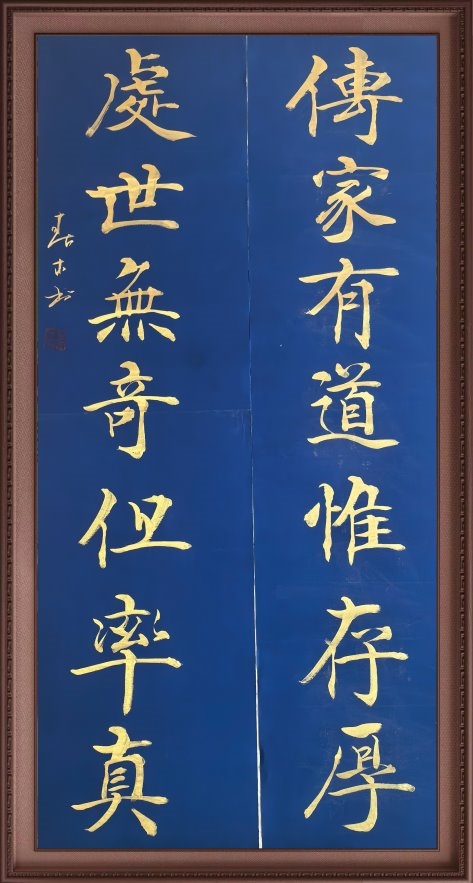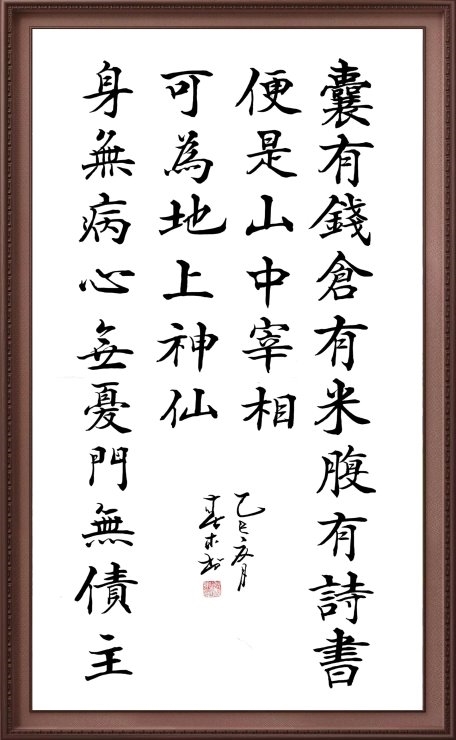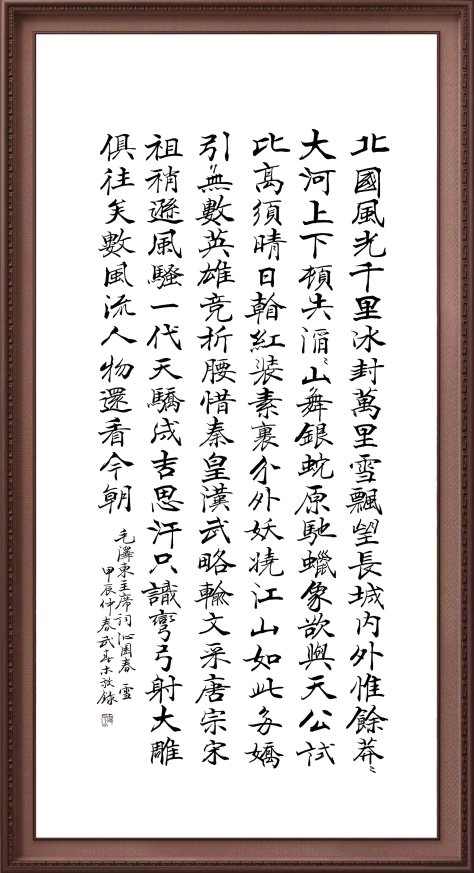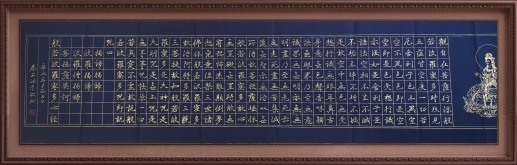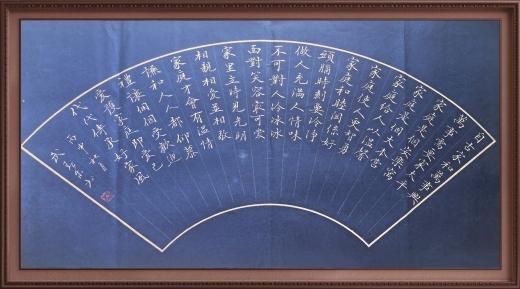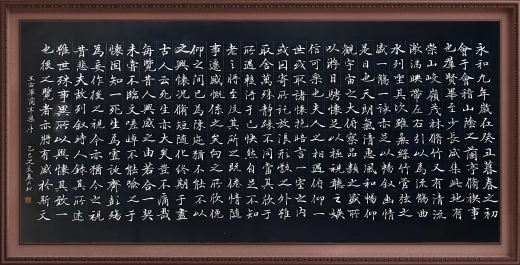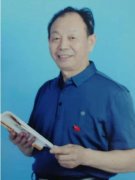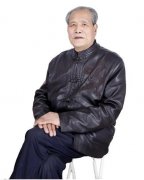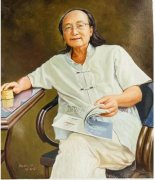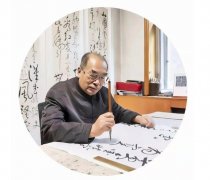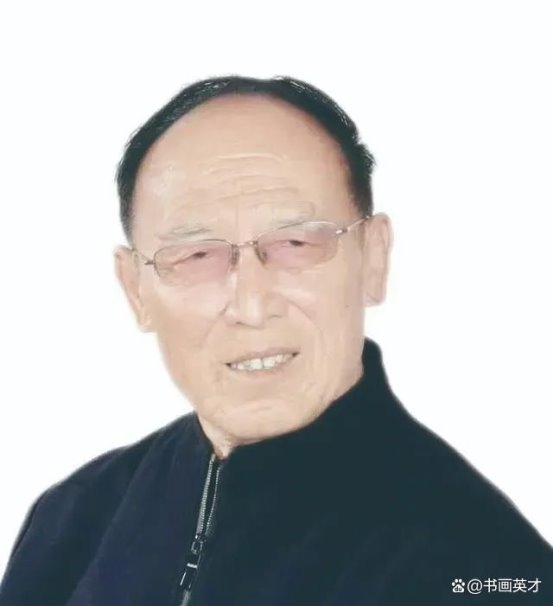
武效记,笔名春木,山西省临汾市汾西县人。退休教师,汾西县六、七、八届政协委员。现为中国通俗文艺研究会高级研究员、CCTV签约艺术家、山西工艺美术家协会会员、临汾市书协会员、汾西县书协会名誉会长、国家一级书法师、央视书画频道签约艺术家、中国商业股份制企业经济联合会艺术投资专业委员会武效记工作室、中国东方文化研究会社会艺术专业委员会书法研究员、书画英才文化艺术研究中心副主任。
武效记从小热爱书法,七岁学书,至今七十余载,积年累月,笔耕不辍。对于武效记而言,书写的过程是与历史的对话,情感的寄托,思想的升华。武效记数十年笔耕不辍,书作一笔一划皆入灵魂,其精神与艺术令人敬慕。从书法创作层面来说,他有着可贵的纯粹性。在漫长的时间中,他选择欧体作为心摹手追的对象,以书修行,后涉诸体,真草隶篆,尤善魏碑,逐步形成具有自己鲜明特点的书写方式。作品用笔方峻,大开大合,力雄气闲,自由爽朗,神健韵逸,呈现金石之气,从书作看出“透过刀锋看笔锋”的意味,利刃刻石的锋芒在笔墨之间流淌,运笔有力,呈现出一种晕染和涨墨之感,笔画有实与虚、刚与柔之美。书作整体清简旷远,简约独立而挺拔潇洒,文与意相得益彰,将中国文人艺术的道法自然高度继承和再现。
武效记是一位学者型的书法家,他选择写魏碑作为深研精修的领域,数十年如一日地坚持对其审美取向和临摹创作。他根植传统,吐故纳新,形成了有浓厚传统意味并兼具当代精神的书法风格,以独有的书法个性化语言享誉当代书坛。多年来积极参与各种书法赛事,屡屡获奖。作品入展国家,省市书画大展并在世界多个国家巡展。作品入编《中国书画五百强》被授予《中国当代书法十大领军人物》荣誉称号。
Wu Xiaoji, pen name Chunmu, is a native of Fenxi County, Linfen City, Shanxi Province. A retired teacher, he served as a member of the 6th, 7th, and 8th Chinese People's Political Consultative Conference (CPPCC) committees of Fenxi County. Currently, he holds positions as a senior researcher at the China Popular Literature and Art Research Association, a contracted artist with CCTV, a member of the Shanxi Arts and Crafts Association, a member of the Linfen Calligraphy Association, honorary president of the Fenxi County Calligraphy Association, a National First-Class Calligrapher, a contracted artist with the CCTV Painting and Calligraphy Channel, director of the Wu Xiaoji Studio under the Art Investment Professional Committee of the China Commercial Joint-Stock Enterprise Economic Federation, a calligraphy researcher at the Social Arts Professional Committee of the China Oriental Culture Research Association, and deputy director of the Painting and Calligraphy Talent Culture and Art Research Center.
Wu Xiaoji has been passionate about calligraphy since childhood, starting to learn the art at the age of seven. Over more than seven decades, he has practiced tirelessly, accumulating years of dedicated effort. For Wu Xiaoji, the process of writing is a dialogue with history, an emotional outlet, and a sublimation of thought. His decades of unwavering practice have infused every stroke of his calligraphy with soul, earning admiration for both his spirit and artistry. From the perspective of calligraphic creation, he possesses a commendable purity of purpose. Over the years, he chose the Ouyang style as the foundation for his study and practice, using calligraphy as a means of cultivation. He later explored various scripts, including regular, cursive, clerical, and seal scripts, with particular expertise in Wei stele calligraphy, gradually developing a distinct and personalized writing style. His works are characterized by vigorous and broad strokes, combining strength and ease, freedom and clarity, with a robust spirit and graceful rhythm. They exude a sense of metal and stone, revealing the essence of "seeing the brush through the blade"—the sharpness of a carving knife flowing between ink and brush. The powerful brushwork creates a sense of diffusion and ink saturation, with strokes displaying a beauty of solidity and void, strength and softness. Overall, his calligraphy is clear, simple, expansive, and elegant, standing tall and free, with content and meaning complementing each other. It highly inherits and reinterprets the natural principles of Chinese literati art.
Wu Xiaoji is a scholar-type calligrapher who chose Wei stele calligraphy as his field of in-depth study and refinement. For decades, he has steadfastly adhered to its aesthetic orientation and devoted himself to imitation and creation. Rooted in tradition while embracing innovation, he has developed a calligraphic style rich in traditional significance yet infused with contemporary spirit. His unique personalized language in calligraphy has earned him renown in the modern calligraphy world. Over the years, he has actively participated in various calligraphy competitions, winning numerous awards. His works have been exhibited in national, provincial, and municipal painting and calligraphy exhibitions and have toured in many countries worldwide. His pieces are included in The Top 500 Chinese Paintings and Calligraphy, and he has been honored with the title of "One of the Top Ten Leading Figures in Contemporary Chinese Calligraphy."